Real photographs · Limited demonstration
Stack the upper sky.
Keep the tree detail.
Five real exposures, processed at 3476 × 5208 pixels. A conservative manual mask allows the upper sky to be aligned and averaged. The entire tree canopy, branch gaps, lower sky and foreground stay from one reference photo.
The protected area is not denoised. Complex tree crowns still need conservative manual masking. There is no automatic fine-branch separation, and a broad transition remains between the stacked upper sky and the reference area.
Same positions. Same display brightness.
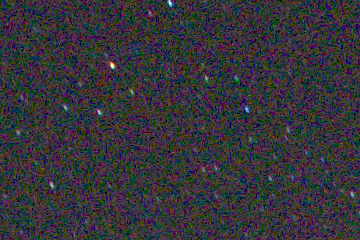
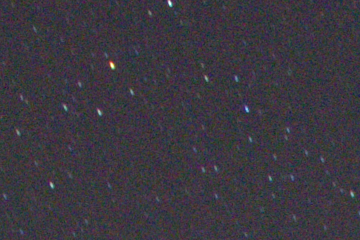
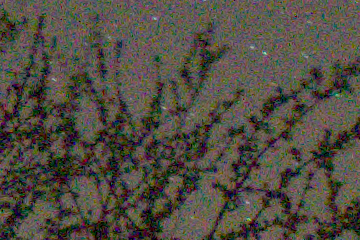
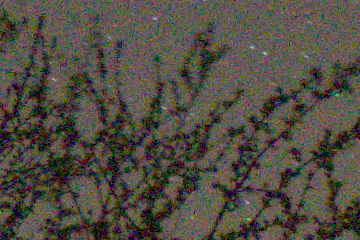
Start with ③: the branches and nearby sky are deliberately identical to the reference. This verifies preservation, not noise reduction. Select ① to see upper-sky grain reduction, or ② to inspect star shape. No side receives separate brightening, sharpening or retouching.
Interactive crops need JavaScript and the image files. The direct links below show the same positions: ① upper sky is stacked; ③ trees and nearby lower sky are retained unchanged, not denoised.
① Reference sky · ① Stacked sky · ③ Reference branches · ③ Retained branches
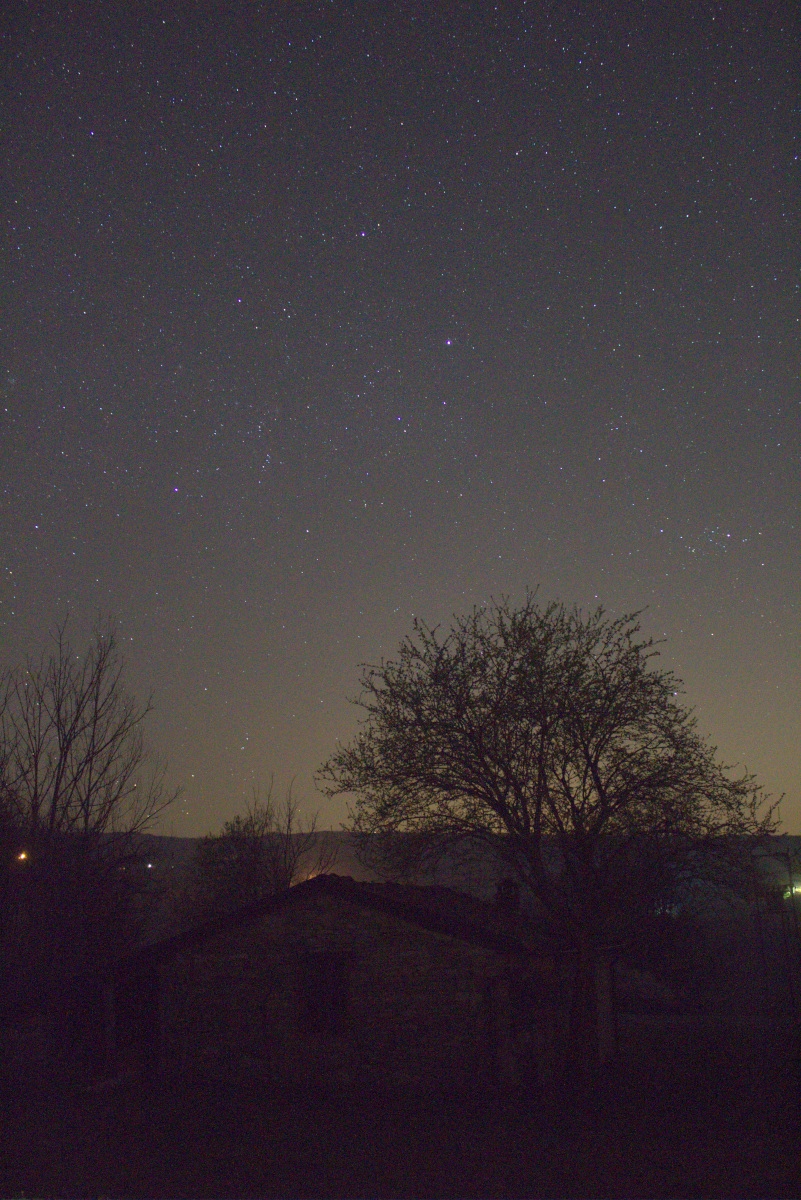
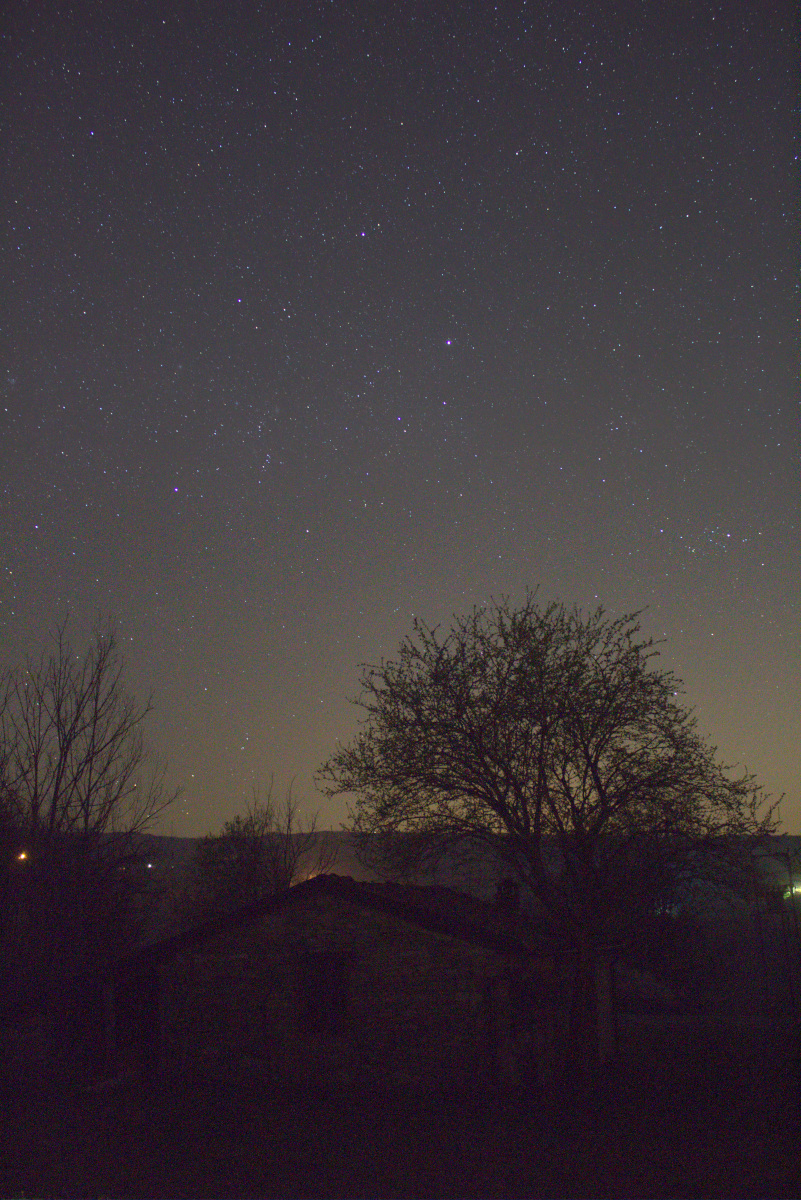
Photos: Filippo Dall’Aglio (@flick87), shared by Massimo Bill (@billznn). Original source and RAW files · CC BY-SA 4.0. Nightscape Stacker developed the RAWs, drew a conservative manual mask, stacked and cropped these derivatives under the same license. The photographers have not endorsed this product.
What changed, and what did not.
- Upper sky: coloured grain is reduced in the fixed sampled patches. The robust patch-noise proxy falls by about 55.8%; this is not a calibrated signal-to-noise measurement and does not describe the protected lower sky or foreground.
- Stars: selected bright, isolated stars have a median fitted-width increase of about 3.2% against the noisy reference. We do not claim sharper stars or added resolution. Some stars broaden more than that median.
- Trees and lower sky: every 16-bit RGB sample in crop ③ matches the reference exactly. Those branches are preserved because the area stays from one exposure, not because the tool automatically separated and denoised the branch gaps.
- Photo edge: a separate frame-coverage blend reduces the previous broad noisy collar. Across 16 fixed right-edge patches, the noise proxy is about 38% lower than the preceding repaired build. The broad horizon transition remains.
- Transition: a wide, gradual blend remains between the stacked upper sky and reference area. This example does not demonstrate uniform noise reduction across the whole sky.
This is one starfield nightscape sequence, without a prominent Milky Way core. It is a limited demonstration of upper-sky stacking with a reference foreground, not a quality guarantee for every camera, lens or scene. It does not establish recovery of faint Galactic detail or superiority to another tool.
The input frames use identical RAW development, including a shared exposure adjustment, without denoising or sharpening. Stacking uses the original 3476 × 5208 pixels. The display crops use the same direct sRGB conversion; the overviews are reduced identically. The actual output was exported by the browser as a 16-bit TIFF.

The earlier failure is still documented.
The first result blurred or erased fine branches mistakenly included in its sky mask. Its photos and failure explanation remain available separately; this revised example does not relabel that output as successful.
Inspect the original branch-loss failureQuestions, requests or ideas? Contact contactjensennow@gmail.com.